
When Replacing Door Locks Makes More Sense Than Repair
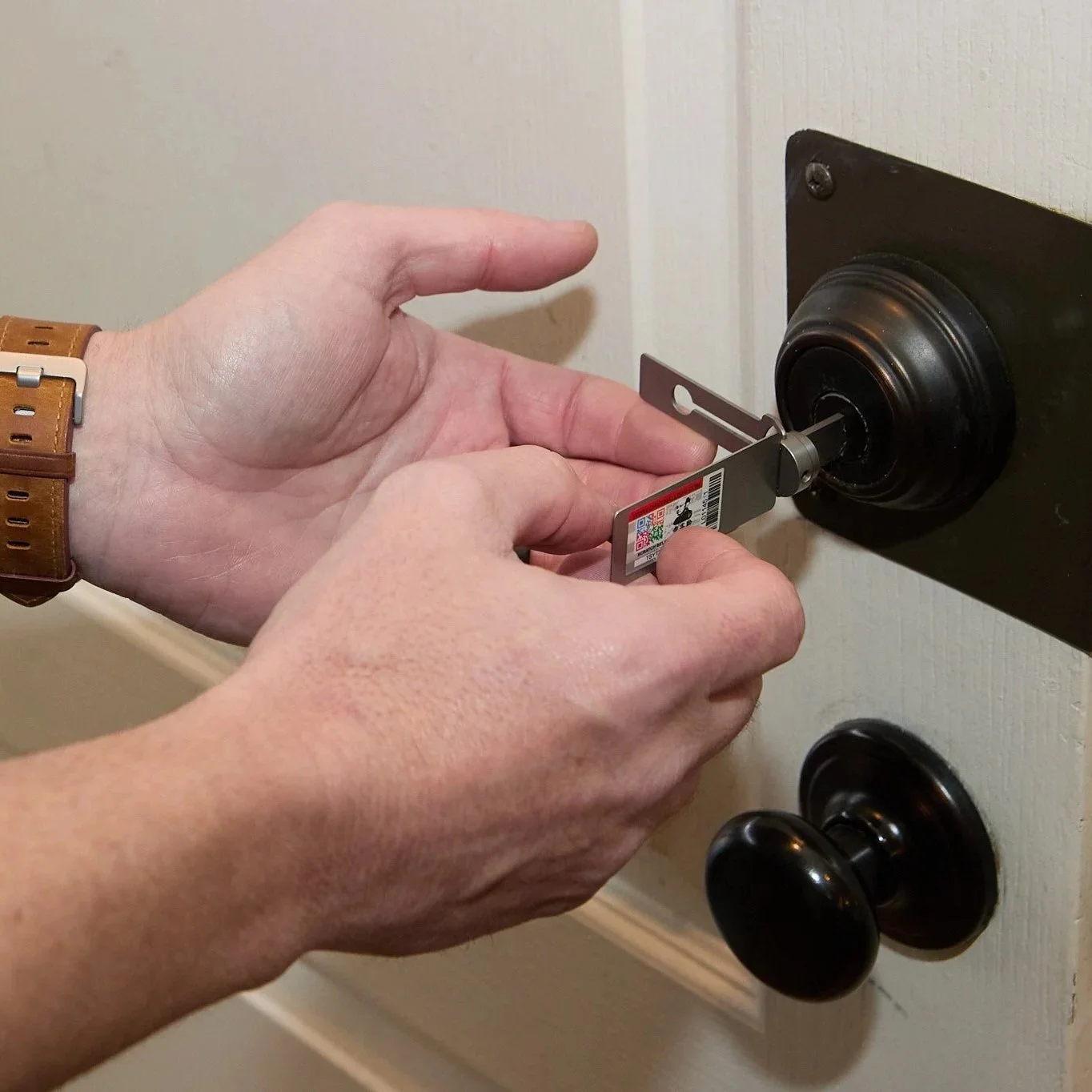
Locks experience wear just like any mechanical system, and not every symptom signals the end of the hardware’s life.
Why Lock Problems Rarely Start With A Clear Answer
Most homeowners notice lock problems gradually. A key starts catching during turns, the deadbolt feels stiff on colder mornings, or the knob needs an extra twist to disengage. At first, those signs feel minor and easy to ignore. Many people assume a quick repair will solve the issue, and sometimes it does. Locks experience wear just like any mechanical system, and not every symptom signals the end of the hardware’s life. The challenge lies in knowing when repair restores reliable function and when replacement prevents a bigger failure waiting just ahead.
Locks sit at the intersection of daily use, environmental exposure, and structural movement—every turn of a key transfers force through small internal components that operate within narrow tolerances. Over time, those tolerances change as metal wears, frames shift, and doors expand or contract. A repair might temporarily smooth operation, but if the underlying structure or internal components have degraded beyond a certain point, the lock continues to deteriorate quietly. Understanding that threshold helps homeowners avoid spending money twice on the same problem.
Internal Wear That Repairs Cannot Reverse
One of the clearest indicators that replacement makes more sense than repair involves internal lock wear. Cylinders rely on pins, springs, and chambers that interact with precision. After years of use, especially in high-traffic households, those components wear unevenly. Springs weaken, pins round off, and debris accumulates inside the cylinder. A locksmith may clean and lubricate the lock to improve function, yet that improvement often proves temporary when wear already compromises internal geometry.
Repairs address symptoms but cannot restore original tolerances once material has worn away. Keys begin to work inconsistently, sometimes turning smoothly and other times binding without warning. That unpredictability increases the risk of broken keys or sudden lockouts. Replacement introduces new components built to precise specifications, restoring consistency and reducing stress on the key and user. When internal wear reaches that stage, replacement becomes the more reliable and cost-effective option compared to repeated service calls.
Structural Door And Frame Issues Affecting Lock Performance
Locks do not operate in isolation from the door and frame. When a home settles or experiences seasonal movement, alignment changes place stress on the lock. A repair may adjust the latch or strike plate. Still, if the door itself has warped or the frame has shifted significantly, the repairs become ongoing adjustments rather than permanent solutions. Homeowners often find themselves calling for service repeatedly as seasons change.
Replacing the lock alone may not solve alignment problems, but replacing it and properly reinstalling it often allows better accommodation for movement. New locks sometimes offer improved tolerances or adjustable components that work better with imperfect doors. When older locks lack that flexibility, replacement allows the installer to reset the system more effectively. Repairing outdated hardware on a misaligned door often delays the inevitable rather than resolving the root issue.
Security Limitations Of Older Lock Designs
Security standards evolve, and older locks reflect the technology and threat landscape of their era. Many older residential locks lack features now considered basic, such as hardened steel components, anti-drill protections, or reinforced strike compatibility. Repairing those locks restores function but does not address inherent security limitations. Homeowners may assume a repaired lock provides the same protection it always did, overlooking how modern forced entry techniques exploit outdated designs.
Replacing an older lock introduces current security improvements without requiring structural changes to the door. Newer hardware resists common attack methods more effectively and integrates better with reinforced frames. When security concerns drive the service call, replacement often delivers far greater value than repair. Repair keeps the lock working, but replacement upgrades protection in meaningful ways that reflect current standards.
Repeated Failures Indicate A System Past Its Prime
A lock that fails once may warrant repair. A lock that fails repeatedly signals deeper issues. Multiple service calls for the same lock often indicate cumulative wear or incompatible components. Each repair may address one weak point, yet another emerges soon after. Over time, the cost of repeated repairs approaches or exceeds the cost of replacement, yet fails to deliver the same reliability.
Homeowners sometimes hesitate to replace locks because they feel wasteful about discarding hardware that still works partially. In practice, replacement reduces frustration and long-term expense. A new lock resets the system, providing consistent performance rather than cycles of temporary fixes. Recognizing that pattern helps homeowners shift from reactive repairs to proactive replacement decisions.
Key Control And Security After Life Changes
Certain life events shift the balance toward replacement rather than repair. Moving into a new home, ending a lease, or experiencing a lost key incident all raise questions about key control. Repairing an existing lock does nothing to address unknown copies of keys circulating outside the household. Rekeying sometimes solves that concern, but not all locks can be rekeyed easily or cost-effectively.
Replacing locks provides a clean slate for key control, especially when existing hardware shows signs of wear or outdated security. New locks paired with fresh keys eliminate uncertainty and simplify access management. When peace of mind matters as much as mechanical function, replacement often makes more sense than salvaging old hardware.
Weather Exposure And Corrosion Damage
Exterior locks are constantly exposed to the weather, and corrosion often hides beneath surface finishes. Moisture infiltrates cylinders, causing rust that disrupts smooth operation. Repairs may remove visible corrosion or apply lubricant, but internal damage continues. Corrosion weakens components, increasing the likelihood of failure during critical moments.
Replacement removes compromised hardware entirely, eliminating hidden corrosion that repairs cannot fully reverse. Modern exterior locks often feature improved coatings and materials that better resist weather exposure. When corrosion contributes to lock problems, replacement offers a longer-lasting solution that repairs struggle to match.
Compatibility Issues With Modern Upgrades
Homeowners upgrading doors, adding smart locks, or improving security systems sometimes encounter compatibility issues with older locks. Repairs keep old hardware functioning, but do not integrate with newer components. Attempting to retrofit outdated locks into modern systems introduces complexity and compromises performance.
Replacing locks allows seamless integration with updated doors, frames, and technology. New hardware better accommodates modern standards and installation methods. When a home evolves, locks must evolve with it, making replacement the practical choice.
The Cost Perspective Homeowners Often Miss
Initial repair costs feel lower than replacement, making repair appealing in the moment. Over time, however, repeated repairs accumulate. Service calls, temporary fixes, and inconvenience add hidden costs. Replacement consolidates those expenses into a single investment that delivers predictable performance.
Homeowners who view lock issues through a long-term lens often recognize replacement as the more economical option. Reduced maintenance, improved security, and consistent operation outweigh the upfront expense. Understanding the total cost of ownership reframes the decision from short-term savings to long-term value.
When Repair Still Makes Sense
Not every lock problem demands replacement. Minor issues like dry cylinders, loose hardware, or simple misalignment respond well to repair. Newer locks with limited wear often benefit from professional adjustment and maintenance. Repair preserves hardware life when underlying components remain sound.
The key lies in accurate diagnosis. Knowing whether the issue stems from wear, design limitations, or environmental factors guides the decision. Repairs are effective when they address root causes rather than symptoms.
FAQs
How do I know if my lock can be repaired instead of replaced?
A professional assessment determines whether internal components remain within functional tolerances and whether alignment or wear issues can be corrected without recurring problems.
Is replacing locks always more secure than repairing them?
Replacement often improves security when existing locks lack modern protections, though repair restores function without upgrading inherent security features.
Can corroded locks be fixed with cleaning and lubrication?
Cleaning and lubrication may temporarily improve operation, but internal corrosion usually continues to degrade performance over time.
Does replacing locks mean changing all keys in the house?
Replacing locks introduces new keys, which can simplify key control and reduce confusion caused by multiple worn or mismatched keys.
How often should residential locks be replaced?
Replacement frequency depends on usage, environment, and hardware quality, but consistent issues or outdated security features signal the right time to consider replacement.
For professional residential locksmith, commercial locksmith, and automotive locksmith solutions, contact Locksmiths of Kansas City. We handle lock repairs, key duplication, security upgrades, and emergency lockout assistance. Our locally-owned and certified team works on homes, offices, and vehicles with attention to speedy service, dependable results, and long-lasting safety. Enjoy trusted local expertise with no hidden fees. Schedule your locksmith service now and enjoy quick, reliable solutions anytime.
