
House Key Duplication: Why Accuracy Matters More Than Speed
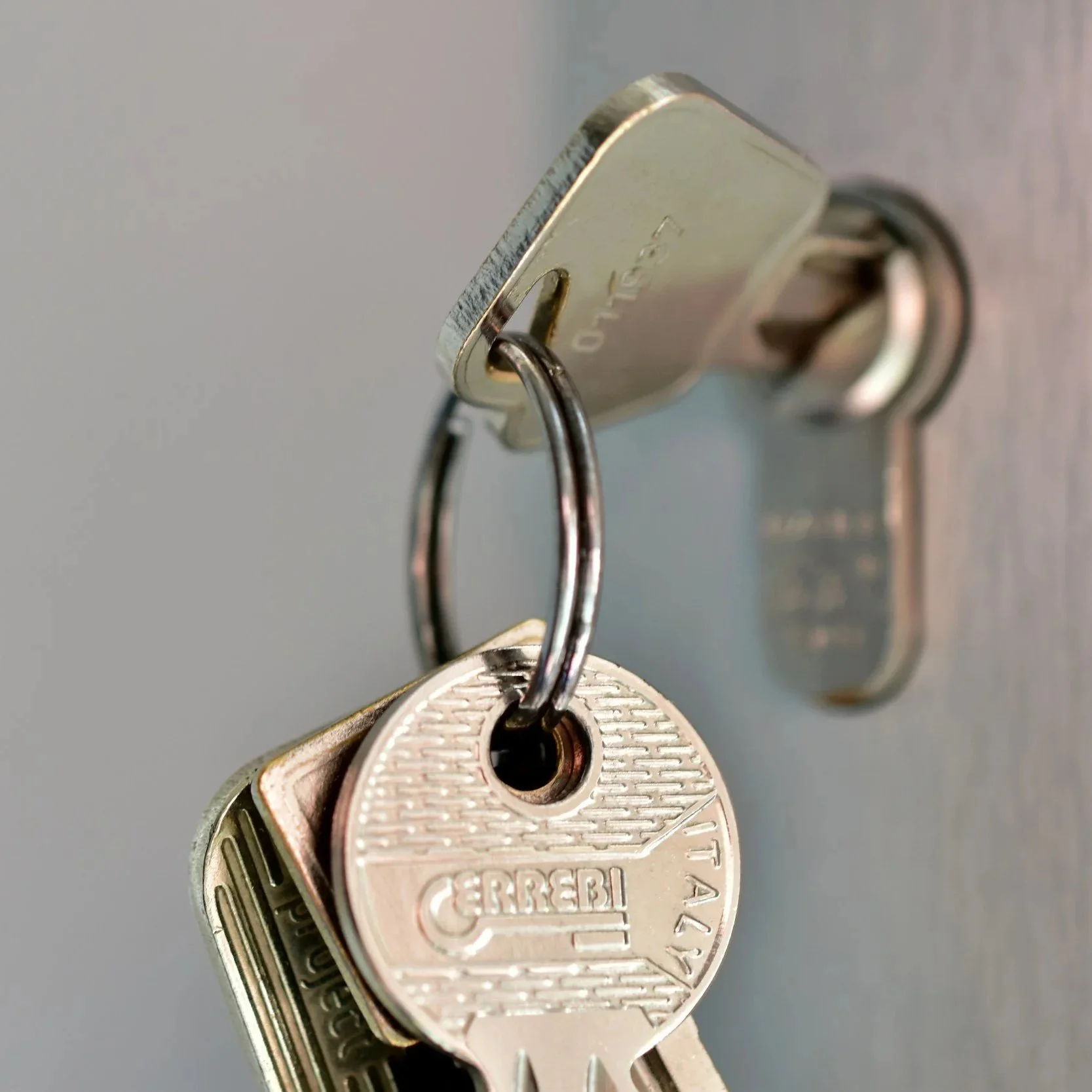
A house key does not simply open a lock
Why Key Duplication Feels Simple Until It Is Not
House key duplication often feels like one of the most routine errands a homeowner can run. Walk into a shop, hand over a key, wait a minute, and walk out with a copy. Speed becomes the selling point, and accuracy feels implied rather than earned. The problem with that mindset is that keys operate within extremely tight tolerances. A house key does not simply open a lock. It aligns internal pins, springs, and chambers with precision measured in thousandths of an inch. When duplication prioritizes speed over accuracy, those tolerances suffer, and the issues that follow rarely show up immediately.
Most homeowners do not realize that a duplicated key can be technically incorrect while still working some of the time. It might open the door when jiggled, turned slowly, or used at a specific angle. That intermittent success masks deeper problems. Every imperfect turn transfers additional stress into the lock. Over time, what started as a quick copy becomes the reason a lock wears prematurely, keys break inside cylinders, or doors refuse to open at the worst possible moment. Accuracy matters not because it feels better on day one, but because it protects the entire lock system over years of use.
What Accuracy Actually Means In Key Duplication
Accurate key duplication involves far more than matching the general shape of the original. Each cut on a house key corresponds to a specific pin height inside the lock. Those cuts must land at precise depths and spacing to align pins cleanly at the shear line. Even slight deviations cause pins to bind or drag as the key turns. A fast duplication process often relies on worn templates, poorly calibrated machines, or visual approximation rather than precise measurement.
Professional duplication focuses on consistency. The cutting machine must be properly maintained, the cutting wheel must be sharp, and the original key must be evaluated for wear before copying. Many homeowners overlook that last step. An original key that has worn down over the years no longer represents the lock's ideal specification. Copying a worn key produces a copy of a copy, compounding inaccuracies. Skilled locksmiths account for that wear and cut keys to the lock's intended depths rather than blindly replicating existing damage.
How Poor Duplication Damages Locks Over Time
A poorly cut key rarely fails immediately. Instead, it introduces friction where smooth movement should exist. Pins scrape rather than lift cleanly. Springs compress unevenly. The cylinder resists rotation just enough to require extra force. That force is transferred to the key, the lock, and eventually the door hardware. Over thousands of cycles, internal wear accelerates in ways homeowners rarely associate with the key itself.
Broken keys often result from inaccurate duplication. When resistance spikes unexpectedly, the weakest point in the system gives way. That point is usually the key. A snapped key inside a lock creates an emergency that costs far more than proper duplication ever would have. Even when keys do not break, inaccurate copies shorten the lifespan of locks, leading to sticking cylinders and inconsistent operation that feel like random failures rather than predictable consequences.
Why Speed-First Duplication Misses Critical Steps
Speed-focused duplication treats keys as commodities rather than precision tools. High-volume environments prioritize throughput. Machines run continuously with minimal calibration checks. Staff may not inspect the original key for wear or deformation. Deburring steps get skipped. Those shortcuts save seconds but sacrifice quality. A key that feels rough along the edges or requires force to insert already signals a problem.
Accurate duplication slows the process deliberately. The original key gets inspected. Measurements get verified. The cutting wheel engages smoothly rather than aggressively. After cutting, the edges get cleaned so the key slides into the lock without scraping. These steps take more time, but they protect both the key and the lock from unnecessary wear. Homeowners often notice the difference immediately in how smoothly and accurately a cut key operates.
The Hidden Problem Of Copying Worn Keys
One of the most common sources of duplication errors involves copying worn keys. Keys wear gradually as metal rubs against pins during each use. The deepest cuts wear the most, subtly changing the key's profile. When a worn key becomes the template, the new key inherits those inaccuracies. Each subsequent copy drifts further from the lock's original specification.
Professional locksmiths recognize this issue and recommend cutting from code or using manufacturer specifications when possible. That approach restores the key to its intended dimensions rather than perpetuating wear. Homeowners who rely on quick duplication services rarely receive that level of consideration, which explains why some keys work better than others even when they look identical.
Why Some Duplicate Keys Work Only Sometimes
Intermittent performance represents a classic sign of inaccurate duplication. A key works in the morning but sticks in the evening. It opens the front door but not the back door. These inconsistencies frustrate homeowners and often lead to assumptions about weather, humidity, or lock age. While those factors influence performance, inaccurate keys amplify their effects.
A properly cut key tolerates minor alignment changes caused by temperature or door movement. An inaccurate key does not. It sits on the edge of acceptable tolerances, failing as soon as conditions shift slightly. That fragility explains why speed-cut keys often become unreliable during seasonal transitions, when locks naturally move.
Security Implications Of Inaccurate Duplication
Accuracy also affects security. Keys cut too shallow or too deep may partially align pins in unintended ways. While not always exploitable, these deviations weaken the lock's intended behavior. In some cases, inaccurate keys can increase wear, eventually creating vulnerabilities inside the cylinder. Security relies on precision. Anything that degrades that precision undermines protection over time.
Additionally, some quick duplication services do not verify key types or authorization. Restricted or controlled keys require proper verification to prevent unauthorized duplication. Speed-focused environments may bypass those safeguards, creating access control issues homeowners never intended. Accurate duplication includes respecting key systems and their security purpose, not just cutting metal quickly.
How Accurate Duplication Improves Everyday Use
Homeowners who invest in accurate key duplication often notice small but meaningful improvements. Keys insert smoothly without catching. Rotation feels consistent rather than hesitant. Locks operate quietly, without clicking or grinding. These details improve daily convenience and reduce frustration. Over time, they also preserve lock integrity, delaying the need for repair or replacement.
Accurate duplication also supports key control. When multiple copies behave identically, homeowners trust that each key will work reliably. That confidence reduces the temptation to force keys or jiggle them aggressively, behaviors that accelerate wear. Accuracy fosters proper use, which benefits the entire system.
When To Duplicate From The Lock Instead Of A Key
In some situations, duplicating from the lock rather than an existing key makes more sense. Locks that have been in use for years may no longer respond optimally to worn keys. Cutting from the lock's internal code restores alignment. This approach requires skill and equipment beyond standard duplication machines, which is why it takes longer and costs more.
Homeowners often choose this option after experiencing repeated issues with copied keys. Restoring original specifications resolves problems that duplication alone cannot fix. It represents a proactive step toward long-term reliability rather than another quick-fix solution.
Why Cheap Copies Often Cost More In The Long Run
The appeal of fast, inexpensive duplication lies in the immediate savings it offers. The long-term costs remain hidden. Worn locks, broken keys, emergency lockouts, and eventual replacement all trace back to small inaccuracies introduced early. When homeowners add those expenses together, cheap copies prove far more costly than careful duplication.
Accurate duplication costs slightly more upfront but protects against cascading failures. It preserves the lock function, reduces the risk of emergencies, and extends the hardware's lifespan. That value becomes clear over years of use rather than minutes at the counter.
Choosing The Right Moment To Duplicate Keys
Timing matters. Duplicating keys before originals wear excessively produces better results. Homeowners often wait until keys show obvious wear, which limits the quality of duplications. Creating accurate spare keys early preserves a clean reference and provides reliable backups.
Seasonal changes also influence duplication outcomes. Locks behave differently under temperature extremes. Duplicating during periods of stable conditions reduces variables and improves fit. Planning avoids reactive decisions driven by lost keys or impending lockouts.
How Many Copies Are Too Many
More keys mean more wear. Each copy in circulation increases the number of usage cycles on the lock. Homeowners benefit from balancing convenience with restraint. Accurate duplication supports that balance by producing keys that distribute wear evenly rather than concentrating stress through imperfect cuts.
Managing the number of active keys also improves security. Knowing how many copies exist and who holds them prevents uncontrolled access. Accuracy supports management by delivering consistent, dependable keys rather than questionable backups.
When Duplication Is Not The Right Solution
Sometimes duplication cannot solve the problem. Locks with significant internal wear may reject even perfectly cut keys. In those cases, repair or replacement addresses the root issue. Continuing to duplicate keys only masks symptoms temporarily, and recognizing that limit prevents frustration and wasted effort.
Professional assessment helps determine whether duplication remains viable. When locks still operate smoothly with the original key, accurate duplication works well. When originals struggle, addressing the lock itself becomes necessary.
FAQs
Why does my duplicated house key work sometimes but not always?
Intermittent performance usually indicates inaccurate cuts that sit at the edge of acceptable tolerances, causing the key to fail when conditions change slightly. Small variations in pressure, alignment, or wear inside the lock can make the difference between smooth operation and complete failure.
Is it bad to duplicate a worn house key?
Copying a worn key often transfers the key's existing inaccuracies to the new key, compounding wear and reducing reliability. Over time, this can lead to multiple copies that all perform inconsistently, making it better to duplicate from the original key whenever possible.
Can inaccurate keys damage my door lock?
Poorly cut keys increase friction inside the lock, accelerating internal wear and raising the risk of broken keys or lock failure. Continued use of an inaccurate key can also stress internal components, leading to more expensive repairs or full lock replacement.
Is professional key duplication worth the extra time?
Professional duplication focuses on precision and inspection, which helps protect lock longevity and reduce long-term costs. It also ensures the new key operates smoothly across different conditions, minimizing frustration and unexpected issues.
How many spare house keys should I have made?
Enough to cover household needs without creating unnecessary wear or losing track of access, typically fewer accurate keys rather than many questionable copies. Keeping a small number of high-quality duplicates also improves security and makes key management easier.
Locksmiths of Kansas City offers full-service residential locksmith, commercial locksmith, and automotive locksmith solutions, including lock installation, business security enhancements, car key programming, and emergency lockout support. Our experienced and locally-owned team works on homes, offices, and vehicles with an emphasis on speed, reliability, and long-term security. From Emergency locksmith services to a complete security system upgrade, we provide 100% satisfaction guarantee and professional workmanship. Call today to schedule your locksmith service and enjoy worry-free protection.
