
Rekeying Your Home Locks: When It’s the Smarter Choice
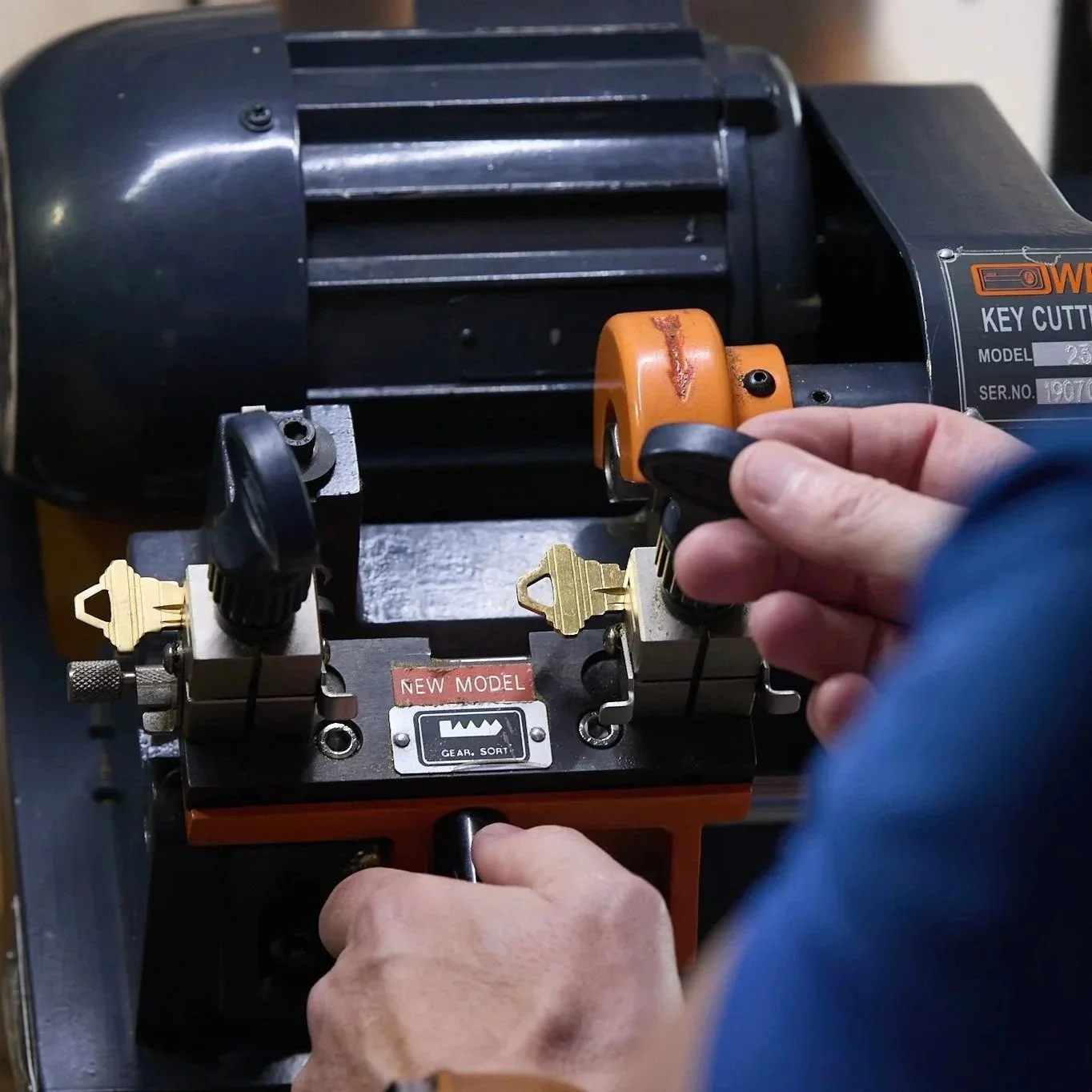
New locks, new keys, problem solved. In reality, rekeying your home locks often delivers the same security benefits with fewer disruptions and lower cost.
Why Rekeying Often Gets Overlooked In Favor Of Replacement
Many homeowners assume that improving lock security always means replacing hardware. That assumption feels logical because replacement sounds definitive. New locks, new keys, problem solved. In reality, rekeying your home locks often delivers the same security benefits with fewer disruptions and lower cost. Rekeying changes which keys operate your existing locks without changing the lock hardware itself. From a functional standpoint, it resets access control while preserving components that still perform reliably. The challenge lies in recognizing when rekeying makes more sense than repair or replacement.
Locks operate as mechanical systems with multiple layers of wear and relevance. Some issues stem from who has access, not how the lock functions. After certain life events or changes, the lock may still operate smoothly, yet no longer provide peace of mind. Rekeying addresses that exact problem. Understanding when rekeying is the smarter choice requires considering security, cost, hardware condition, and long-term usability, rather than defaulting to replacement as the only solution.
What Rekeying Actually Does Inside The Lock
Rekeying alters the internal pin configuration of a lock cylinder so that old keys no longer work and new keys do. The lock body, latch, and deadbolt remain in place. Pins inside the cylinder are rearranged or replaced to match a new key cut. From the outside, the lock looks unchanged, yet access control resets completely. This process works when the lock hardware itself remains structurally sound and compatible with rekeying.
Many homeowners underestimate how precise this internal change is. Lock pins align to very specific depths on a key. Even a slight variation prevents rotation. Rekeying restores that precision without replacing external components. When locks function smoothly, but access needs change, rekeying solves the problem efficiently. It avoids introducing new variables like fit, finish, or compatibility that sometimes accompany replacement.
Situations Where Rekeying Makes The Most Sense
Certain scenarios strongly favor rekeying over replacement. Moving into a new home ranks high among them. Even if previous owners seem trustworthy, there may be unknown copies of the keys. Contractors, neighbors, or friends may still have access. Rekeying resets control immediately without requiring new hardware. It provides peace of mind quickly and cost-effectively.
Rental properties also benefit from rekeying after each tenant. Rather than repeatedly replacing locks, rekeying extends hardware longevity while controlling access. Homeowners managing renovations face similar concerns. Multiple workers may need temporary access. Rekeying after projects conclude restores security without replacing functioning locks. In all these cases, the lock hardware works fine. The concern centers on access, not mechanical failure.
Why Rekeying Beats Replacement When Locks Still Perform Well
Replacing a lock introduces new hardware, which brings benefits only when existing components show wear, damage, or outdated security features. When locks still operate smoothly, replacement often adds unnecessary expense and complexity. Rekeying preserves familiar operation while delivering the same access control benefits as replacement. Keys feel consistent, hardware remains aligned, and doors require no additional adjustment.
Rekeying also reduces the risk of introducing new problems. Replacement sometimes reveals door alignment issues or incompatibilities that require further adjustment. Rekeying avoids disturbing a system that already works. For homeowners satisfied with how their locks feel and function, rekeying is the most efficient way to improve security.
Cost Considerations And Long-Term Value
Cost plays a major role in deciding between rekeying and replacement. Rekeying typically costs less because it involves labor and internal components rather than full hardware replacement. For homes with multiple doors, rekeying offers significant savings. Rather than purchasing new locksets for every entry, homeowners pay to reset access across all locks simultaneously.
Long-term value also matters. Rekeying extends the life of existing hardware by keeping it in service. When performed by a professional, it maintains smooth operation and precise tolerances. Replacement resets hardware life but costs more upfront. When locks remain in good condition, rekeying delivers better value without sacrificing security.
Key Control And Simplification Benefits
Homes often accumulate keys over time. Different doors use different keys, and spare keys circulate without tracking. Rekeying provides an opportunity to simplify key control. Multiple locks can be keyed alike so that one key opens all exterior doors. That convenience reduces confusion and wear caused by forcing the wrong key into a lock.
Simplified key control also improves security. Fewer keys mean fewer copies floating around. Rekeying eliminates old keys rather than relying on them to remain unused. For homeowners who value clarity and control, rekeying streamlines access management effectively.
When Rekeying Does Not Solve The Problem
Despite its advantages, rekeying does not address every issue. Locks with internal wear, corrosion, or structural damage may rekey successfully yet continue to operate poorly. Rekeying changes the pin configuration, not worn metal surfaces or weakened springs. If a lock binds, sticks, or fails inconsistently due to wear, rekeying alone will not restore reliability.
Locks damaged by forced entry attempts also fall outside ideal rekeying scenarios. Internal alignment may be compromised even if the lock still turns. Rekeying may work temporarily, but it leaves underlying weaknesses intact. In those cases, replacement offers a more reliable long-term solution.
Compatibility And Hardware Limitations
Not all locks support rekeying. Some budget-grade locks use sealed or non-standard cylinders that cannot be rekeyed easily. Others require proprietary systems that limit flexibility. Before choosing rekeying, hardware compatibility must be evaluated. Professional locksmiths assess whether your existing locks can be rekeyed without compromising performance.
Smart locks introduce additional considerations. Some electronic locks allow rekeying of the mechanical cylinder, while others rely entirely on electronic credentials. Rekeying applies only to the mechanical portion. Understanding these distinctions prevents mismatched expectations.
Security Considerations Beyond Access Control
Rekeying addresses who can open the door, not how resistant the lock is to forced entry. If security concerns involve physical resistance rather than access control, replacement may make more sense. Older locks may lack modern reinforcements or hardened components. Rekeying keeps those limitations in place.
However, when physical security remains adequate, and access control represents the main concern, rekeying delivers targeted improvement. Evaluating both aspects clarifies whether rekeying aligns with your goals or whether an upgrade better suits your needs.
Rekeying After Lost Or Stolen Keys
Lost or stolen keys create immediate security concerns. Rekeying quickly mitigates that risk by invalidating old keys. Replacement also achieves that goal, but at a higher cost and with longer installation time. When locks remain in good condition, rekeying provides a faster resolution.
Time matters in these scenarios. Rekeying restores control without waiting for new hardware selection or installation adjustments. Homeowners regain peace of mind promptly, which often outweighs cosmetic considerations.
Impact On Door Fit And Alignment
Replacing locks can sometimes reveal or create alignment issues. New hardware may interact differently with existing strike plates or door thickness. Rekeying avoids these variables entirely. The door continues to operate exactly as before, just with new keys.
For homes with older doors or settled frames, maintaining the alignment of existing hardware matters. Rekeying preserves a system that already accommodates movement and quirks. Replacement may require additional adjustments, increasing scope and cost.
Rekeying As Part Of A Broader Security Strategy
Rekeying works well when combined with other security measures. Reinforcing strike plates, adjusting alignment, or adding secondary locks can enhance security while retaining existing hardware. Rekeying integrates seamlessly into these strategies by resetting access control alongside physical improvements.
Homeowners sometimes view rekeying as a standalone solution. In practice, it often complements maintenance and reinforcement efforts. Together, these actions improve both usability and security without full replacement.
Timing Matters With Rekeying Decisions
Choosing when to rekey matters. After moves, renovations, or access changes, rekeying should happen promptly. Delaying increases exposure to unknown access. Rekeying early prevents security gaps rather than waiting for concerns to escalate.
Seasonal timing also plays a role. Rekeying during periods of stable door alignment avoids complications caused by extreme temperature swings. Strategic planning improves outcomes and preserves lock performance.
When Replacement Becomes The Smarter Choice
Rekeying stops being the smarter choice when locks exhibit significant wear, damage, or outdated security design. In those cases, replacement addresses both access control and mechanical reliability. Rekeying worn locks postpones inevitable replacement without delivering consistent performance.
Recognizing that threshold saves time and money. Rekeying excels when hardware remains healthy. Replacement excels when hardware has reached the end of its serviceable life.
FAQs
What Is The Main Difference Between Rekeying And Replacing Locks?
Rekeying changes which keys operate the lock without changing hardware, while replacement installs entirely new lock hardware and keys.
Is Rekeying As Secure As Replacing Locks?
Rekeying provides the same access control as replacement when the hardware remains secure, though it does not upgrade the physical security features.
Can All Home Locks Be Rekeyed?
Many standard residential locks support rekeying, though some budget or proprietary locks may not.
When Should I Rekey My Home Locks?
Rekeying makes sense after moves, lost keys, tenant changes, or whenever access control needs to be reset without hardware replacement.
Does Rekeying Affect How The Lock Feels Or Operates?
When performed correctly, rekeying preserves the lock's existing feel and operation while introducing new keys.
For professional residential locksmith, commercial locksmith, and automotive locksmith solutions, contact Locksmiths of Kansas City. We handle lock repairs, key duplication, security upgrades, and emergency lockout assistance. Our locally-owned and certified team works on homes, offices, and vehicles with attention to speedy service, dependable results, and long-lasting safety. Enjoy trusted local expertise with no hidden fees. Schedule your locksmith service now and enjoy quick, reliable solutions anytime.
