
Locked Out of Your Home? What Actually Happens During an Emergency Call
Home lockouts rarely feel dramatic until the moment they happen, then everything feels urgent at once.
When The Lockout Hits And The Clock Suddenly Matters
Getting locked out of a home almost always comes at a bad time. Groceries melt in the car, kids stand barefoot on the porch, pets sit confused behind the door, or a phone battery drains while you debate whether to panic or laugh. Home lockouts rarely feel dramatic until the moment they happen, then everything feels urgent at once. From the outside, it looks like a simple problem with a simple fix, yet homeowners often underestimate the number of variables that come into play during an emergency call. Door type, lock condition, time of day, weather, and even how the door was closed all influence what happens next, yet none of those details are apparent when stress kicks in.
Emergency locksmith calls differ from routine service visits because decisions happen quickly and under pressure. A locked door at noon on a quiet weekday feels very different from one at midnight during a storm. Professionals approach those situations by stabilizing the problem before touching a tool. That means listening carefully, asking focused questions, and reading the scene once they arrive. Rushing straight to drilling or forcing hardware creates damage that lingers long after the door opens. Experienced locksmiths treat emergency lockouts as a balance between speed and preservation, keeping property intact while restoring access as efficiently as possible.
What Information Gets Collected Before Anyone Shows Up
The phone call itself plays a larger role than most people realize. When someone calls for emergency house lockout help, the locksmith gathers details that guide tool selection, travel prep, and entry strategy. Door material, lock style, whether keys were lost or the door was locked from the inside, and whether the door was actively locked versus accidentally shut all matter. A deadbolt behaves very differently from a spring latch, and a smart lock failure follows a different path than a traditional cylinder issue. Clear answers allow the locksmith to arrive ready rather than experimenting on-site while minutes tick by.
Location details matter just as much as lock details. Access to the door, lighting conditions, parking distance, and building type all shape how the service unfolds. A townhouse entry with shared walls introduces considerations different from those of a detached home with a recessed doorway. High-rise units bring elevator access and building rules into play. Experienced locksmiths mentally map the entry environment before arriving, reducing delays and preventing unnecessary hardware disruption. That preparation often saves homeowners money by avoiding destructive methods that only become necessary when unknowns pile up.
How A Locksmith Assesses The Door Before Opening It
Once on site, the locksmith slows the moment down rather than speeding it up. A visual and tactile inspection reveals more than force ever could. Wear patterns around the strike plate, resistance in the knob, and feedback from the lock cylinder all tell a story about how the door closed and what the lock tolerates. Older hardware may already sit at the edge of failure, while newer locks often allow non-destructive entry if approached correctly. Rushing skips these cues, leading to broken trim, bent frames, or compromised locks that need replacement afterward.
Assessment also includes the door itself. Wood doors flex differently from steel doors, and alignment issues affect how pressure transfers through the latch. Seasonal movement causes many lockouts, especially during temperature swings that tighten frames or shift hinges. Locksmiths factor that movement into their approach, sometimes correcting alignment just enough to release the latch without touching the lock at all. Homeowners watching from the side often feel surprised when the solution looks gentle rather than forceful, yet that calm assessment protects the door long after the emergency passes.
The Tools Used And Why Force Comes Last
Emergency lockout tools may look simple, but they serve specific purposes. Tension tools, picks, bypass tools, and air wedges each address different lock behaviors. Professional locksmiths carry a range of options because no single tool works universally. A spring latch might release with controlled pressure and manipulation, while a deadbolt requires precise rotational movement inside the cylinder. Smart locks introduce electronic troubleshooting alongside mechanical entry, adding another layer to the process. Tool choice reflects experience rather than guesswork.
Force remains a last resort, not a default move. Drilling a lock quickly provides access but destroys the hardware and sometimes damages the door itself. Skilled locksmiths avoid drilling unless the lock resists all non-destructive methods or internal failure blocks rotation entirely. Even then, drilling is done with the intention of preserving the door and allowing replacement without additional carpentry. Homeowners often feel relief when they realize the goal is to focus on the entry without collateral damage, especially when the lock functions fine after reopening, and no replacement is necessary.
What Homeowners Experience During The Process
For many people, watching an emergency lockout service feels oddly anticlimactic. Stress builds while waiting, yet the actual entry often takes only minutes once the locksmith begins. That contrast creates confusion about what the service truly involves. Preparation, assessment, and tool selection do most of the work behind the scenes. When everything aligns, the door opens smoothly without drama. When complications arise, communication matters just as much as skill. A good locksmith explains options, risks, and outcomes before proceeding so homeowners feel informed rather than rushed.
Homeowners also experience a shift in mindset once inside. The immediate relief often gives way to questions about prevention and security. Conversations naturally turn toward spare keys, worn locks, and habits that lead to accidental lockouts. Those discussions matter because emergencies often expose patterns rather than isolated incidents. A professional who explains what caused the lockout helps prevent repeat calls and builds trust rooted in education rather than upselling. The service feels complete when understanding replaces frustration.
Common Misconceptions About Emergency Lockouts
Many people believe emergency lockout services always damage locks or cost a fortune. That misconception stems from stories in which force replaced skill, or communication broke down. In reality, most residential lockouts can be resolved without drilling or replacement, especially when locks remain in good condition. Pricing varies by time and complexity, yet transparency keeps surprises to a minimum. Clear expectations set during the call help homeowners understand what drives cost rather than fearing hidden fees.
Another misconception frames lockouts as personal mistakes rather than mechanical interactions. Doors, locks, weather, and wear all play roles. Keys break, latches stick, and electronic systems fail without warning. Treating lockouts as system behavior rather than user error removes unnecessary embarrassment and allows practical solutions. Understanding that perspective helps homeowners approach future situations calmly rather than delaying a call out of frustration or pride.
Why Emergency Calls Differ From Scheduled Locksmith Visits
Emergency locksmith work operates under different constraints than planned service. Time sensitivity, emotional stress, and limited access shape every decision. Scheduled visits allow hardware inspection, alignment correction, and thoughtful upgrades without urgency. Emergency calls compress those same considerations into a narrow window where access takes priority. Professionals trained in emergency response balance speed with care, making decisions that protect property while quickly restoring access.
That difference explains why emergency services feel distinct even when the same locksmith handles both. Tools travel differently, communication tightens, and priorities shift. Understanding that distinction helps homeowners appreciate why preparation during calm moments pays off later. Routine maintenance and thoughtful hardware choices reduce the frequency and severity of emergencies, turning lockouts into rare inconveniences rather than recurring disruptions.
FAQs
How long does an emergency house lockout usually take?
Most emergency house lockouts resolve within minutes once the locksmith arrives, though arrival time depends on distance, traffic, and time of day. Complicated locks or alignment issues may extend the process, yet non-destructive entry remains the goal whenever conditions allow.
Will my lock need to be replaced after a lockout?
Many lockouts end without any damage, allowing the original lock to remain in place and function normally. Replacement is necessary only when internal failure or prior damage prevents safe operation after entry.
Can a locksmith open any door without damage?
Skilled locksmiths open most residential doors without damage, though some situations limit options. Severe internal lock failure, reinforced hardware, or previous DIY attempts can reduce the possibility of non-destructive solutions.
What should I do while waiting for the locksmith to arrive?
Staying nearby, keeping pets secure, and helping clear access to the door make the process move smoothly. Gathering information about the lock and door ahead of time also supports efficient service.
Are emergency lockout services available at night or on weekends?
Many locksmiths offer emergency availability outside standard hours, though response times and pricing may reflect increased demand and staffing considerations during late-night or weekend calls.
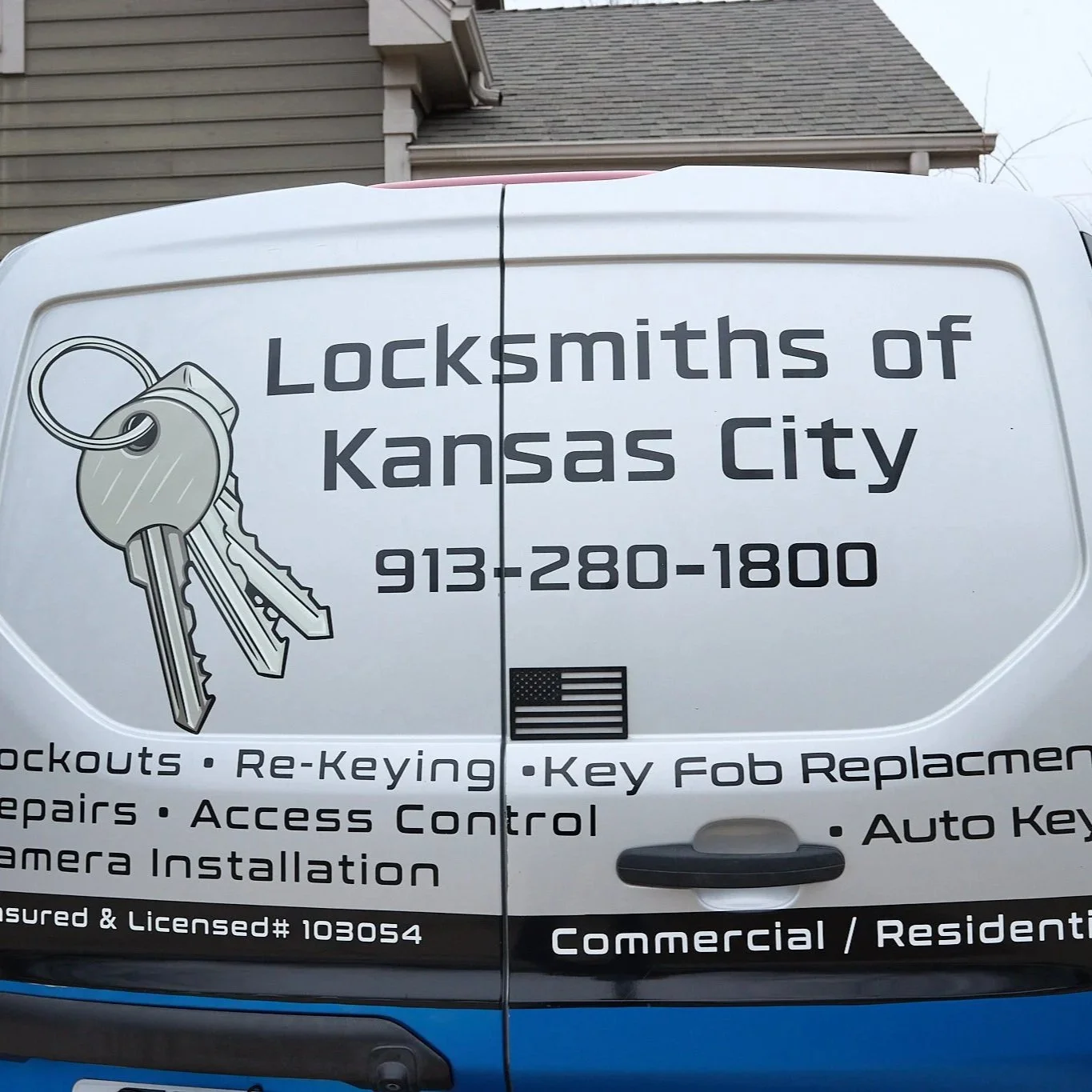
Locksmiths of Kansas City provides a complete, one-stop solution for professional mobile locksmith, safe & specialty locksmith, and security & access solutions, including home lock upgrades, business access system installation, safe servicing, and Emergency locksmith response. Our trusted and experienced team serves residential and commercial clients with a focus on safety, reliability, and long-lasting results. We deliver 100% satisfaction guarantee and quality workmanship. Request your locksmith service today and enjoy peace of mind and secure premises.
