
Installing New Door Locks at Home: What Homeowners Often Overlook
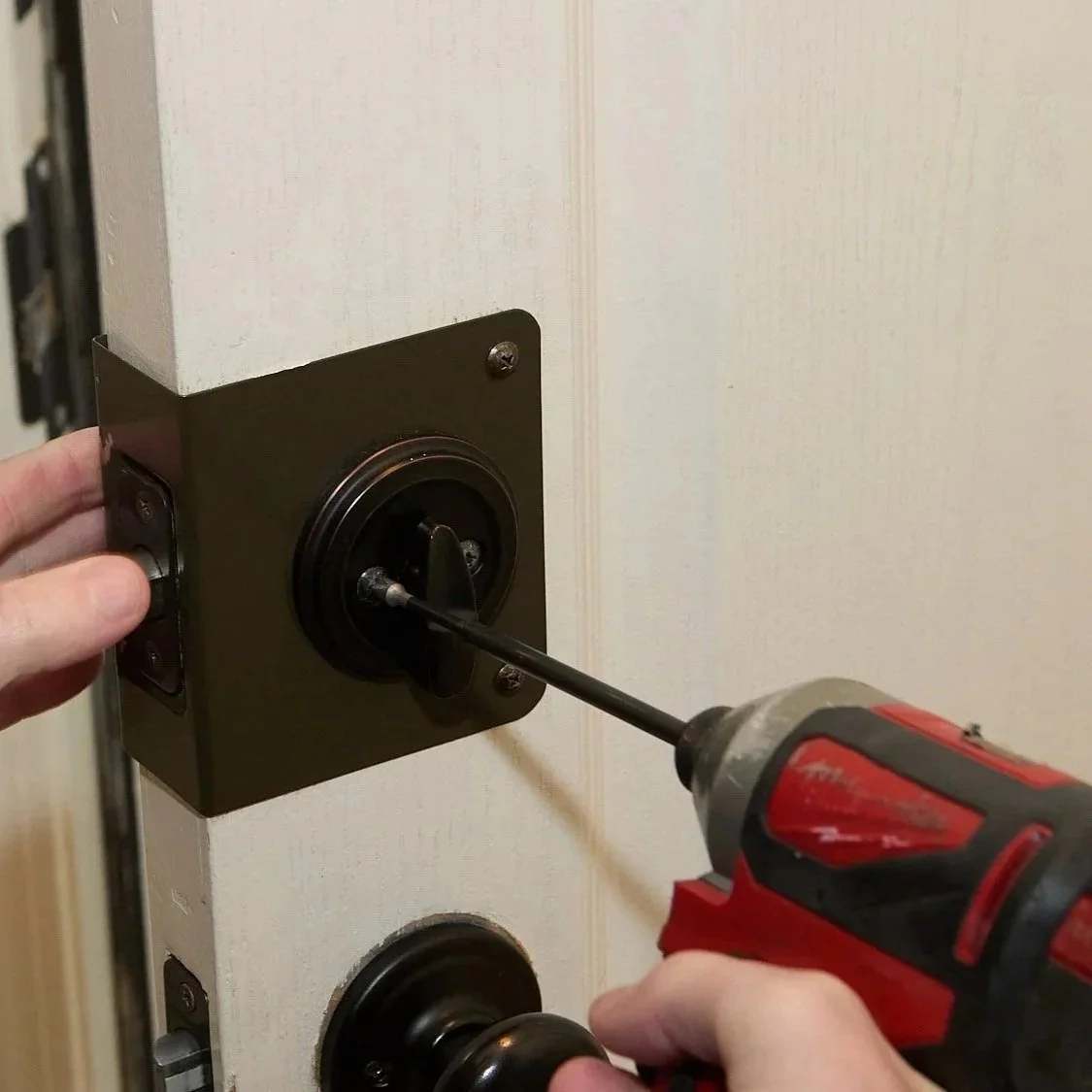
Locks operate as part of a larger system that includes the door slab, frame alignment, strike plate placement, and even the way the house settles over time.
Why New Door Locks Feel Simple Until They Are Not
Installing new door locks sounds straightforward on paper. A box from the hardware store, a screwdriver, maybe a quick video, and the job feels done before lunch. Many homeowners approach lock replacement with that mindset, especially after moving into a new place or dealing with a recent security scare. The reality looks different once the door comes apart. Locks operate as part of a larger system that includes the door slab, frame alignment, strike plate placement, and even the way the house settles over time. Ignoring those relationships turns a simple upgrade into a source of ongoing frustration that shows up as sticking keys, misaligned deadbolts, or doors that never quite feel secure.
Most problems do not surface immediately after installation. A lock may work smoothly for weeks or months before subtle resistance appears. Temperature changes, daily use, and door movement expose small installation errors that went unnoticed at first. Homeowners often assume the lock itself is defective when the issue actually stems from overlooked details during installation. Understanding what typically gets missed helps explain why professional locksmiths spend more time preparing and aligning than actually tightening screws.
Door Alignment Matters More Than Lock Brand
One of the most overlooked factors in new door lock installation involves door alignment. Even a high-quality lock struggles if the door does not sit squarely in the frame. Over time, homes shift. Hinges loosen slightly, wood expands and contracts with humidity, and frames settle unevenly. When homeowners install a new lock without checking alignment, they force the hardware to compensate for structural movement. That compensation shows up as extra torque on the key, difficulty turning the thumbturn, or a deadbolt that requires shoulder pressure to engage.
Professional installers check alignment before touching the lockset. They look at hinge wear, spacing around the door edges, and how the latch meets the strike plate. Sometimes, a minor hinge adjustment or strike plate reposition solves issues that no lock upgrade could fix on its own. Skipping this step places constant stress on internal lock components, shortening their lifespan and increasing the likelihood of lockouts or failures down the line.
The Strike Plate Is Not Just A Metal Accessory
Homeowners often treat the strike plate as a passive part of the lock, yet it plays an active role in security and usability. The strike plate determines how smoothly the latch or deadbolt enters the frame and how the load is transferred during forced-entry attempts. Installing a new lock while reusing an old or misaligned strike plate creates friction that feels like a faulty lock. Keys stick, deadbolts resist full extension, and doors rattle even when locked.
Proper strike plate placement requires precision. Depth, height, and lateral alignment all affect performance. In older homes, frames may no longer match modern lock dimensions, requiring adjustments that go beyond swapping hardware. Reinforced strike plates also improve security, but only if installed correctly into solid framing rather than thin trim. Overlooking this detail leads homeowners to blame the lock when the real issue sits a few inches away in the frame.
Hardware Fit And Door Thickness Are Often Assumed
Many homeowners assume all residential doors accept standard lock dimensions. While many do, variations exist, especially in older homes or custom builds. Door thickness affects how lock components seat and how much thread engagement the screws achieve. Installing a lock designed for a thicker door onto a thinner slab can cause loose hardware that shifts with use. Conversely, forcing a lock into a thicker door may bind internal parts or leave exposed gaps that affect security.
Backset measurements also get overlooked. The distance from the door edge to the center of the lock bore must match the lock design. Mismatched backsets cause improper alignment with the strike plate and awkward hand positioning when using the knob or lever. Professional installers measure these dimensions before selecting hardware rather than adjusting the door to fit the lock after the fact. That approach preserves door integrity and improves long-term performance.
Deadbolts And Latches Serve Different Roles
Another common oversight involves misunderstanding the roles of latches versus deadbolts. A latch primarily keeps the door closed, while a deadbolt provides proper security by resisting forced entry. Homeowners sometimes upgrade one without considering the other, creating an imbalance in the system. A strong deadbolt paired with a worn latch still allows the door to move in a way that feels insecure. A new latch without a proper deadbolt leaves the home vulnerable despite smooth operation.
Proper installation considers how both components interact. Vertical alignment between the latch and the deadbolt matters because doors flex slightly when locked. Installing one component without accounting for the other leads to binding that worsens over time. Professionals often adjust both simultaneously to create even pressure across the door, reducing wear and improving the overall feel of the lockset.
Smart Locks Introduce New Variables
Smart locks add convenience but introduce complexity that homeowners often underestimate. Electronic components require precise alignment and stable power sources. A slight misalignment that a mechanical lock might tolerate can cause smart locks to misread position, drain batteries quickly, or fail to fully engage. Homeowners installing smart locks without adjusting the door and strike often experience intermittent issues that feel like software glitches but are actually caused by mechanical resistance.
Connectivity and calibration also matter. Many smart locks require calibration cycles after installation to learn the door’s movement. Skipping or rushing that process leads to errors during locking or unlocking. Environmental factors, such as temperature swings, affect battery performance and motor operation, especially when resistance is present. Professional installers address mechanical issues first, then configure electronics, creating a stable foundation for smart functionality.
Security Screws And Reinforcement Are Rarely Upgraded
Replacing a lock without upgrading screws and reinforcement represents a missed opportunity. Many factory-installed locks rely on short screws that bite only into trim rather than framing. Swapping the lock without addressing those fasteners leaves security unchanged despite new hardware. Long screws anchored into structural framing dramatically increase resistance to forced entry, yet homeowners often reuse existing screws out of convenience.
Door reinforcement plates and strike reinforcements also get overlooked. These components distribute force across a wider area, reducing the risk of frame failure. Installing them during a lock replacement requires planning and sometimes minor modifications, which discourage DIY installers. The result is a visually upgraded lock that performs no better than the old one when tested under stress.
Keys, Cylinders, And Rekeying Considerations
Homeowners frequently replace locks without thinking about key control. Installing new hardware does not automatically address who may have copies of old keys. Rekeying allows existing locks to work with new keys, often saving money while restoring security. When homeowners install new locks without rekeying additional doors, they end up with multiple keys and inconsistent security levels throughout the home.
Cylinder quality also varies widely. Budget locks often use softer materials that wear quickly, leading to sticking keys and eventual failure. Professionals evaluate cylinder construction, pin tolerances, and keyways to match homeowner needs. Overlooking cylinder quality during installation leads to repeated service calls and frustration that feels disproportionate to the initial upgrade.
Weather Exposure And Exterior Doors
Exterior doors face environmental challenges that interior locks never encounter. Rain, dust, temperature swings, and direct sunlight all affect lock performance. Installing a new exterior lock without weatherproofing measures accelerates wear. Moisture intrusion leads to corrosion inside the cylinder, while UV exposure degrades finishes and internal lubricants.
Professional installers use appropriate lubricants, seals, and, when necessary, protective covers to mitigate exposure. They also adjust tolerances to account for seasonal movement. Homeowners often skip these steps, assuming the lock arrives ready for outdoor use. Over time, weather exposure reveals those omissions through stiff operation and premature failure.
Interior Doors And Privacy Locks Still Matter
While exterior locks receive the most attention, interior door locks deserve careful installation as well. Privacy locks for bedrooms and bathrooms rely on precise latch engagement to function quietly and reliably. Poor installation leads to rattling doors, sticking knobs, and accidental lockouts. Children and guests often encounter these issues first, turning minor oversights into daily annoyances.
Interior door alignment affects how privacy locks engage and disengage. Hollow-core doors, common in many homes, flex more than solid doors. Installing locks without accounting for that flex places stress on internal components. Professionals account for these differences, securing smooth operation and preventing premature wear.
Long-Term Wear Comes From Small Installation Errors
The most significant overlooked factor in new door lock installation involves long-term wear. Small misalignments create friction that compounds over time. Locks experience thousands of cycles each year, magnifying minor resistance into noticeable degradation. Homeowners often attribute that wear to product quality rather than installation quality.
Addressing alignment, reinforcement, and fit at the outset reduces wear dramatically. A properly installed lock feels smooth years later because forces distribute evenly rather than concentrating on vulnerable parts. Understanding that connection shifts focus from brand selection alone to system-level installation practices that support longevity.
FAQs
Do I need to replace the strike plate when installing a new door lock?
Replacing or adjusting the strike plate often improves lock performance and security, especially when the existing plate no longer aligns with the new hardware or shows signs of wear.
Can I install a smart lock on an older door?
Smart locks work on many older doors, but proper alignment and the condition of the door matter. Addressing frame movement and latch resistance improves reliability and battery life.
Why does my new deadbolt feel tight after installation?
Tight operation usually indicates misalignment between the deadbolt and strike plate or door movement that was not corrected before installation.
Is rekeying better than replacing all locks?
Rekeying restores key control without replacing hardware and works well when existing locks remain in good condition and are compatible across doors.
Do interior door locks need professional installation?
Interior locks benefit from careful installation, especially on hollow-core doors, where alignment issues and flex can cause sticking or rattling over time.
Locksmiths of Kansas City offers full-service residential locksmith, commercial locksmith, and automotive locksmith solutions, including lock installation, business security enhancements, car key programming, and emergency lockout support. Our experienced and locally-owned team works on homes, offices, and vehicles with an emphasis on speed, reliability, and long-term security. From Emergency locksmith services to a complete security system upgrade, we provide 100% satisfaction guarantee and professional workmanship. Call today to schedule your locksmith service and enjoy worry-free protection.
