
Locked Your Keys in the Car? What a Professional Unlock Looks Like
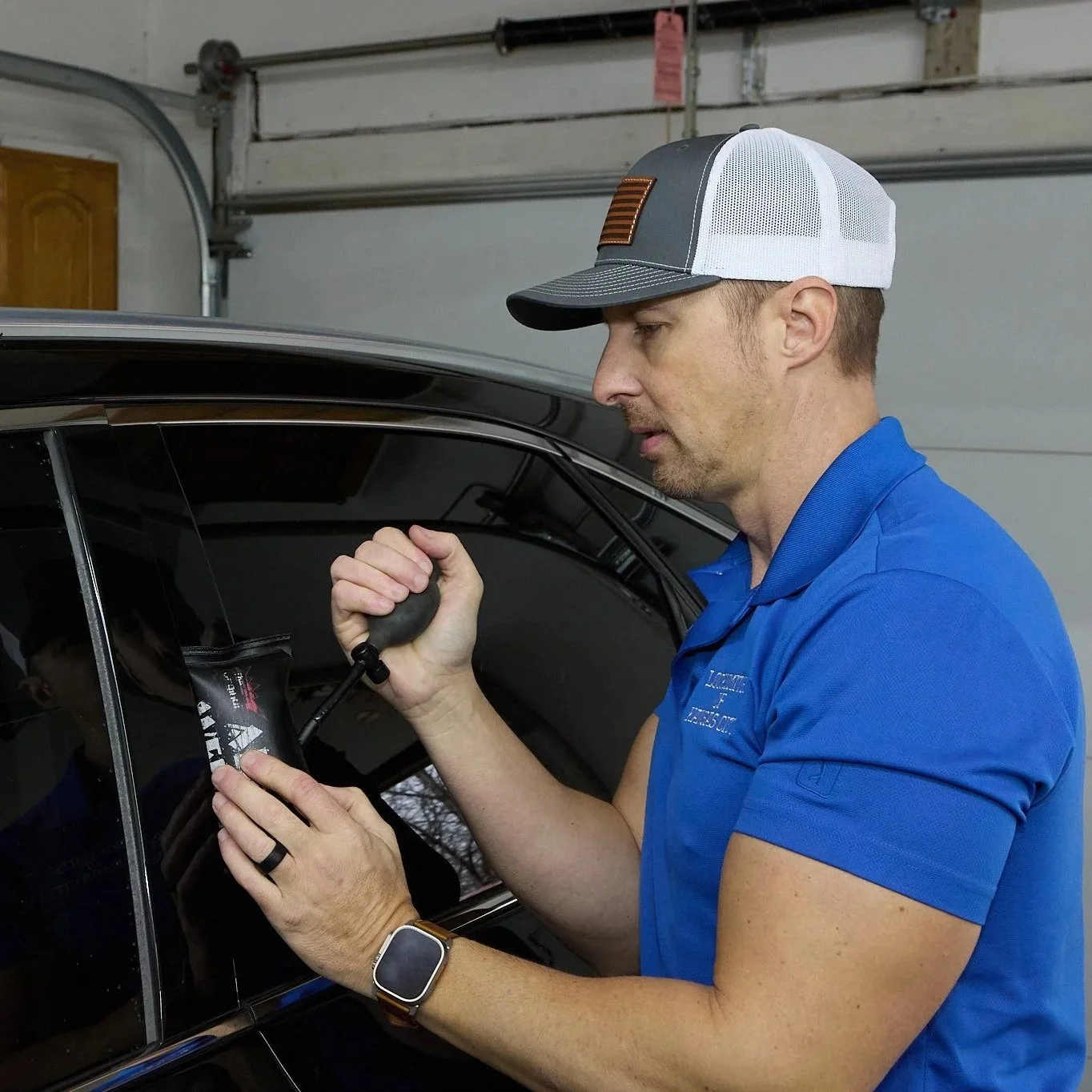
Locksmith carefully unlocks a car door using professional tools, demonstrating damage-free vehicle entry during a stressful car lockout situation.
Why Car Lockouts Feel Worse Than They Should
Locking keys inside a car triggers a unique kind of frustration. It happens fast, often during routine moments when attention is elsewhere. Groceries in hand, engine still warm, door closed out of habit, and suddenly the realization hits. Unlike a house lockout, a car lockout feels urgent because mobility disappears instantly. Appointments get missed, children wait, groceries thaw, and stress escalates quickly, even though nothing is actually broken.
What makes car lockouts feel worse lies in uncertainty. Many people are unsure what comes next or worry that unlocking the vehicle will cause damage. Movies and online videos do not help. They show coat hangers, broken windows, or improvised tricks that suggest force or risk. A professional car unlock looks nothing like that. It is controlled, methodical, and designed to restore access without leaving any evidence that anything happened.
What a Professional Unlock Is Designed to Do
A professional vehicle unlock has one primary goal. Restore access without damage. That goal governs every step of the process. Unlike improvised attempts, professional unlocking relies on understanding how modern vehicle locking systems behave under pressure and how to manipulate them without stressing components.
Modern vehicles include layered systems. Mechanical latches, electronic actuators, weather seals, airbags inside doors, and sensitive trim all sit within inches of each other. A professional approach respects those layers rather than forcing past them. The unlock process focuses on precision, not strength, and patience, not speed alone.
What Happens Before Any Tools Touch the Car
A professional unlock starts with an assessment. The technician identifies the vehicle make, model, year, and lock type. That information determines which tools and methods are appropriate. A method that works safely on one vehicle may damage another. Differences in door design, window curvature, lock placement, and internal components matter.
This assessment also includes evaluating access points. Some vehicles allow safer manipulation through the door frame. Others require different entry angles to avoid airbags or wiring. Professionals do not guess. They choose a method based on known vehicle behavior rather than trial-and-error.
Why Professional Tools Matter
Professional car unlock tools look simple, but they are designed for specific tasks. Slim jims, long-reach tools, wedges, and protective shields all serve distinct purposes. None is meant to pry or force entry. Their role involves creating controlled space and applying targeted movement to internal components.
Wedges, for example, are not used to bend doors. They create minimal separation at precise points to allow tool access while protecting paint, seals, and glass. Protective shields prevent the weather stripping from being scratched or torn. Long-reach tools allow manipulation of locks or handles without contacting sensitive areas. Each tool works together as part of a system, not as a standalone solution.
How Doors Are Opened Without Damage
One of the biggest misconceptions about professional unlocks involves door-bending. A properly performed unlock does not permanently alter door alignment. The small separation created during entry returns to normal once the tools are removed. This works because modern doors and seals are designed to flex slightly under controlled pressure.
The technician gradually applies pressure and continuously monitors resistance. If something does not move as expected, the approach changes. This adaptability prevents damage. Force is never the solution. Control is.
What Gets Manipulated Inside the Door
Professional unlocks typically manipulate one of three things. The lock mechanism itself, the interior handle, or an electronic unlock control. Which one gets used depends on vehicle design. The goal remains consistent. Activate the same function that would occur if you were inside the vehicle pressing a button or pulling a handle.
Nothing gets broken, cut, or bypassed. The system responds as designed. Once unlocked, everything returns to its original state. No warning lights appear. No trim loosens. No future issues result from the unlock itself.
Why Airbags Change Everything
Modern vehicles contain side-impact airbags inside the doors. These airbags deploy downward and outward from within the door panel. Improper tool placement can interfere with these systems, posing serious safety risks or causing costly damage.
Professional technicians know where airbags are located and how to avoid them. This knowledge comes from training and experience, not guesswork. Avoiding airbag zones is one of the main reasons improvised unlock attempts cause damage while professional ones do not.
What a Professional Will Not Do
A professional unlock avoids shortcuts that risk damage. Windows do not get forced down. Seals do not get ripped. Locks do not get drilled. Electronic systems do not get overridden in ways that create future faults.
If a vehicle presents an unusual challenge, the professional adapts rather than escalating force. This may take a few extra minutes, but it preserves the vehicle's integrity. Speed matters, but not at the expense of damage.
Why DIY Unlock Attempts Often Make Things Worse
Many people attempt to unlock their own vehicles before calling a professional. Common methods include coat hangers, shoelaces, screwdrivers, or prying tools. These methods often succeed in one way or another. They open the door. They fail in more important ways. They damage seals, scratch paint, bend frames, or break internal components.
Even small damage creates long-term issues. Wind noise, water leaks, misaligned doors, and electrical problems often result from forced entry attempts. What felt like saving time or money ends up costing far more than a professional unlock would have.
How Long Does a Professional Unlock Usually Take?
Most professional unlocks take only a few minutes once the assessment begins. Time varies based on vehicle type and lock complexity, but efficiency improves with experience. The key point involves calm, deliberate action rather than rushing.
Professionals do not race the clock. They work methodically to avoid mistakes. A slightly longer unlock that leaves no damage always beats a rushed one that creates future problems.
What Happens After the Door Opens
Once the door opens, the process does not end abruptly. The technician verifies that the vehicle locks and, when unlocked, usually unlocks using its controls. This confirms that nothing was disturbed during entry. Tools get removed carefully. Seals get checked visually.
A proper unlock leaves no evidence. The car behaves exactly as it did before the lockout occurred. That outcome defines a successful professional unlock.
Why Modern Vehicles Make Professional Unlocks More Important
As vehicles become more complex, professional unlocks matter more, not less. Electronic locks, keyless entry systems, proximity sensors, and integrated security features increase both convenience and complexity. These systems do not respond well to improvisation.
A professional understands how these systems interact. Unlocking the door safely preserves electronics and prevents triggering alarms, immobilizers, or fault codes. This knowledge protects the vehicle beyond the immediate lockout.
How Professionals Handle Keyless and Push-Button Vehicles
Keyless vehicles introduce additional considerations. Keys may be inside the vehicle, in the trunk, or unresponsive due to battery issues. Professionals account for these scenarios by focusing on mechanical access first rather than attempting electronic overrides.
Once access is restored, the vehicle's systems resume normal operation. No reprogramming or resets are necessary. This avoids complications that arise when electronic systems get forced or confused.
What a Professional Unlock Costs You Long-Term
A professional unlock costs far less than repairing damage from improvised attempts. Beyond financial cost, it preserves peace of mind. Knowing the vehicle remains intact eliminates worries about leaks, noise, or future malfunctions.
Professional unlocks also reduce stress. The situation resolves quickly and cleanly, allowing you to continue your day without unexpected repairs.
Why Professional Unlocks Protect Resale Value
Vehicle condition matters long after the lockout. Bent frames, damaged seals, or scratched trim reduce resale value and raise questions during inspections. A professional unlock leaves no trace, preserving the vehicle's condition and value.
This matters especially for newer vehicles or leased cars, where even minor damage can create penalties or repair obligations later.
When to Call a Professional Immediately
If keys are locked inside the car, calling a professional immediately prevents escalation. Waiting while attempting DIY methods increases the risk of damage. Extreme weather, children or pets inside the vehicle, or unsafe locations increase urgency and reinforce the importance of a clean, fast solution.
Professionals handle these situations calmly and efficiently because they have seen them many times. Experience replaces panic with process.
What to Expect Emotionally During a Professional Unlock
Watching a professional unlock a car often surprises people. The process looks calm, almost uneventful. There is no dramatic prying or force. The door opens, and the situation ends quietly. That calmness reflects expertise.
Many people walk away realizing the lockout felt worse than it was. Understanding what a professional unlock actually looks like helps reduce anxiety if it happens again.
Professional Car Unlock FAQs
Will a professional car unlock damage my door or window?
A properly performed professional unlock does not damage doors, windows, seals, or locks and leaves no lasting effects.
How long does a professional car unlock usually take?
Most unlocks take only a few minutes once the technician begins, depending on the vehicle’s design and lock complexity.
Can a professional unlock modern keyless vehicles?
Yes. Professionals unlock modern vehicles by restoring mechanical access rather than forcing or bypassing electronic systems.
Why shouldn’t I try to unlock my car myself?
DIY attempts often damage seals, door frames, or internal components, which cost far more to repair than a professional unlock.
What should I do immediately after locking my keys in the car?
Stay calm, avoid forcing entry, and contact a professional who can unlock the vehicle safely and efficiently.
Locksmiths of Kansas City offers full-service residential locksmith, commercial locksmith, and automotive locksmith solutions, including lock installation, business security enhancements, car key programming, and emergency lockout support. Our experienced and locally-owned team works on homes, offices, and vehicles with an emphasis on speed, reliability, and long-term security. From emergency locksmith services to a complete security system upgrade, we provide 100% satisfaction guarantee and professional workmanship. Call today to schedule your locksmith service and enjoy worry-free protection.
