
Choosing Commercial Door Locks That Match Your Business Needs
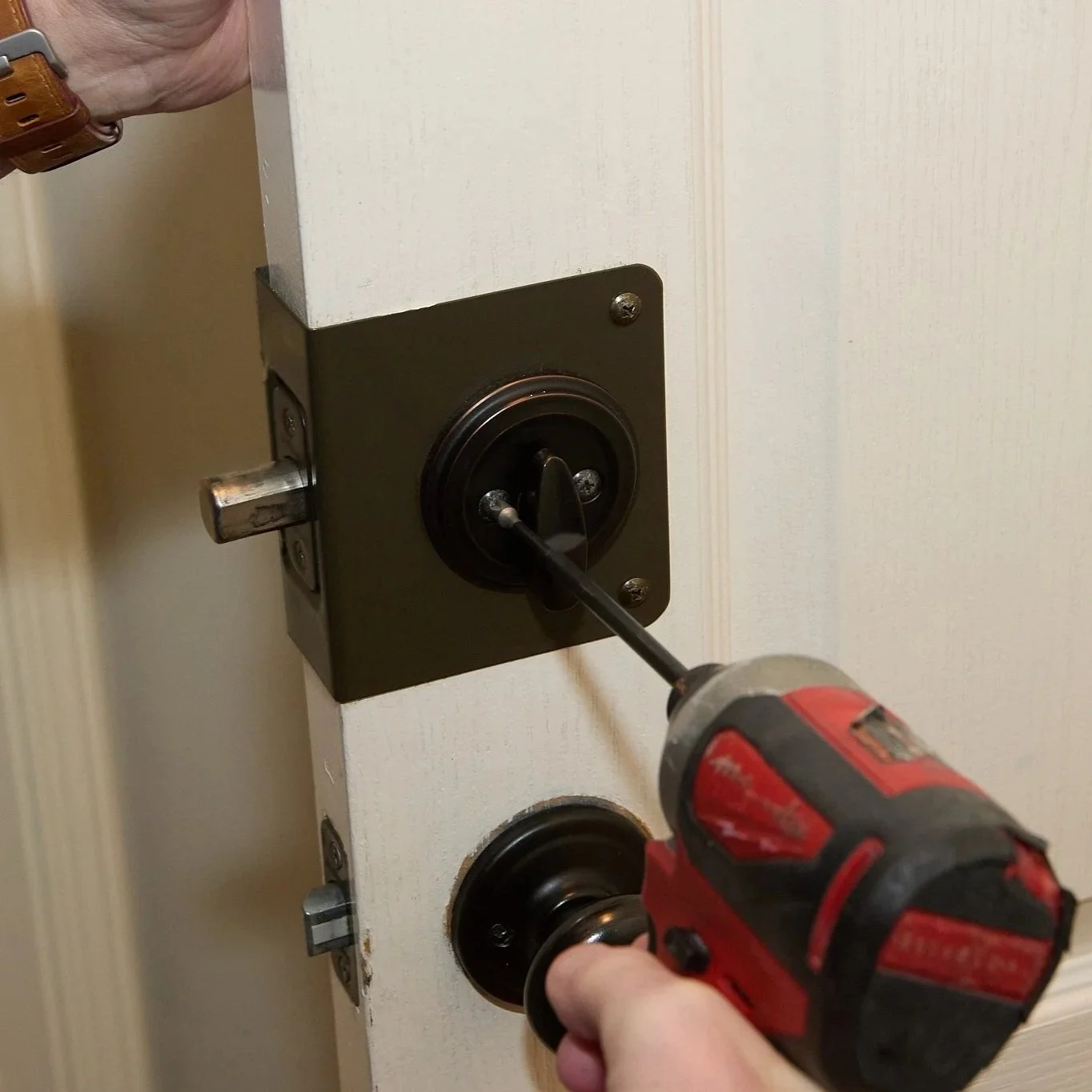
Technician installs a commercial door lock with power tools, emphasizing durability, proper hardware selection, and secure access for business environments.
Why Commercial Door Locks Deserve More Thought Than Residential Ones
Many business owners treat commercial door locks the same way they think about house locks: pick something that fits the door, installs easily, and seems sturdy enough. In a residential setting, that approach often suffices. In a commercial environment, it rarely does. Business doors face far more frequent use, varied traffic patterns, safety standards, and liability concerns. A poorly chosen lock doesn’t just reduce security; it also increases downtime, frustrates employees and customers, and creates compliance risks.
Kansas City, Missouri, businesses operate across diverse environments — storefronts, industrial spaces, offices, medical clinics, restaurants, multi-tenant buildings, and more. Each setting exerts different demands on locking hardware. A single “universal commercial lock” rarely performs well across these varied needs. Choosing commercial door locks that match how a business actually functions — not how it appears on paper — makes operations smoother, enhances security where it matters most, and reduces emergency service calls later.
Define Your Business’s Access Patterns First
The very first step in selecting commercial door locks should not involve brands or finishes. It involves understanding how the building is used. How many people enter daily? What doors need restricted access? Are deliveries frequent? Do employees work varying shifts? Does the business operate after dark? These questions shape lock requirements in significant ways.
For example, a business with high foot traffic throughout the day — such as retail or hospitality — benefits from access hardware that resists wear and minimizes jams. A professional office with restricted areas may need locks that integrate with badge systems or time-based access schedules. A warehouse may prioritize durability and resistance to environmental stressors. Knowing these patterns prevents choosing hardware that either overserves (adding unnecessary cost) or underserves (causing repeated failures and downtime).
Mechanical Versus Electronic Locks: What Works Where
Commercial door locks fall into two broad categories: mechanical and electronic.
Mechanical locks — deadbolts, mortise locks, exit devices, and cylindrical hardware — remain reliable when usage is predictable, and traffic is moderate. They resist forced entry when properly installed and reinforced. Mechanical locks work well in situations where access policies are simple and change infrequently.
Electronic locks — keypad systems, card readers, fobs, and smart locks — excel when access needs change frequently or when credential tracking matters. They allow access privileges to be changed immediately without rekeying hardware, which saves time and cost. For Kansas City businesses with shift workers, contractors, or frequent turnover, electronic locks reduce administrative burden.
Many businesses opt for hybrid systems: mechanical hardware on transient doors and electronic systems on controlled or high-security points. Choosing the right mix begins with understanding operational priorities rather than following trends.
Consider Traffic Volume and Hardware Durability
Commercial doors are used far more than residential doors. A locksmith opening a business every business day probably uses its locks hundreds of times before a household reaches even a few dozen cycles. High-traffic doors require hardware rated for heavy use. Look for commercial locksets with ANSI/BHMA Grade 1 or Grade 2 certification. These ratings indicate durability under repeated cycles and resistance to wear.
In Kansas City’s urban districts and shopping corridors, wear accelerates even further. Rush hour, lunchtime traffic, event days, and seasonal peaks all increase door usage. Choosing hardware designed for commercial cycles minimizes service calls, reduces replacements, and prevents lockouts that disrupt business flow.
Match Lock Type to Door Functionality
Not all doors in a commercial building need the same type of lock. Selecting the right type depends on the door’s purpose:
Entry/Exit Doors:
These need secure, durable locks that are also easy to use. Panic bars (exit devices) are often mandated by code in areas with significant public foot traffic. They allow fast egress during emergencies while maintaining security.
Employee-Only Access:
These doors often benefit from electronic access control, allowing privileges to be adjusted quickly when employees change roles or leave.
Storage/Warehouse Doors:
Heavy-duty mechanical deadbolts or padlocks paired with reinforced hasps provide resilience under rough use.
Office Interior Doors:
Keyed privacy or electronic locks may balance access control with ease of daily use without overly restricting movement.
Choosing hardware solely based on door size or appearance, rather than function, creates weak points that frustrate users and invite service calls.
Evaluate Environmental and Site Conditions
Commercial environments vary widely, even within a single business. Exterior doors face Kansas City’s heat, cold, snow, humidity, and UV exposure. Interior doors near kitchens or loading docks are subject to moisture, grease, dirt, and impact. Lock materials and finishes should match these conditions.
Stainless steel, corrosion-resistant alloys, and weather-rated finishes extend hardware life outdoors. Interior doors might prioritize ease of operation and ergonomic considerations. Ignoring the environment leads to premature wear, stiffness, or failure that feels sudden but is actually predictable.
Security Needs Versus User Convenience
Strong security matters, but convenience impacts daily operations just as much. Overly complex locks slow entry, frustrate employees, and increase calls to IT or facilities for resets: simplicity and clarity matter in high-use areas.
Electronic access control systems can balance security and convenience. Badge or fob systems permit quick entry for authorized personnel while preventing unauthorized access. Time-based permissions automatically adjust after hours. Audit trails reveal who accessed what and when. These capabilities enhance both security and operational insight without slowing workflows.
Credential and Key Management Strategy
Key control matters far more in commercial settings than in homes. Traditional keyed systems require rekeying when keys are lost, stolen, or not returned by former employees — a process that takes time and costs money. Electronic locks offer digital credentials that can be revoked instantly, reducing risk and downtime.
A sound key management strategy includes documenting who holds keys, what access they grant, and how keys or credentials get retired. This documentation prevents confusion and lockouts, thereby reducing emergency calls and unexpected closures.
Integration With Other Security Systems
Modern commercial lock choices often integrate with broader security systems. Video surveillance, alarm systems, motion detectors, and access logs work together to give businesses visibility and control—integration matters for incident response, compliance audits, and forensic analysis after security events.
Before choosing locks, evaluate current and planned security systems. Alignment between access hardware and other controls prevents compatibility issues that frustrate both users and technicians. For example, choosing a lockset that cannot interface with an existing badge system creates fragmented infrastructure and increases costs later.
Compliance and Code Requirements
Commercial buildings must meet local and national building codes, fire safety regulations, and ADA accessibility standards. Some doors — especially public exits and assembly spaces — require specific hardware, such as panic devices or fire-rated locks—failure to comply risks fines and increased liability, not just inconvenience.
Consultation with a knowledgeable locksmith or security designer ensures lock choices meet both operational needs and regulatory requirements. Proper installation that satisfies code reduces risk during inspections and emergencies.
Plan for Maintenance and Lock Lifecycle
No lock lasts forever. High-traffic commercial locks wear out, electronic components age, and environments change. Planning a maintenance schedule — lubrication, alignment checks, software updates, credential audits — extends hardware life and prevents unexpected failures.
Routine maintenance prevents lockouts that shut down operations. Businesses that treat access systems as infrastructure rather than set-and-forget hardware avoid unnecessary service calls and emergency replacements.
Budgeting With Realistic Priorities
Choosing commercial door locks should align with both security priorities and budget realities. Upgrading every door to top-tier smart locks might exceed a small business’s needs, while skimping on hardware where security matters most creates vulnerabilities.
Prioritize investment based on risk profile, access frequency, and operational impact. High-traffic, public-facing doors deserve robust hardware. Low-risk internal areas may accept simpler solutions. Matching hardware to needs prevents wasted dollars and builds resilience where it matters.
Why Professional Assessment Reduces Guesswork
Choosing the wrong lock creates costs later in downtime, service calls, replacements, and frustration. Professional locksmiths help businesses accurately evaluate their needs. They consider traffic patterns, door construction, code requirements, environmental conditions, and integration needs. Their recommendations reduce guesswork and align solutions with real-world use.
A proper assessment today prevents mismatches that business owners regret tomorrow.
Commercial Door Lock & Access Control FAQs
What’s the difference between commercial and residential door locks?
Commercial locks are rated for higher use and greater security demands. They withstand more cycles and tougher conditions and often integrate with access control systems, unlike most residential locks.
Do all commercial doors need electronic access control?
Not always. Security needs and access patterns determine the best solution. High-turnover or restricted areas benefit more from electronic systems than low-use or internal doors.
Can I mix mechanical and electronic locks in one building?
Yes. Many businesses use mechanical locks for certain areas and electronic access control for others. The key is matching lock type to function and security requirements.
How does key management impact lock choices?
Key management affects long-term costs and downtime. Electronic credential systems allow instant revocation, while mechanical keys require rekeying when lost or misused.
Should commercial locks meet specific ratings?
Yes. Locks rated ANSI/BHMA Grade 1 or Grade 2 offer proven durability and security. Lower-rated hardware wears faster and risks failure under frequent use.
Can commercial lock systems integrate with existing security equipment?
Many modern lock systems integrate with cameras, alarms, and access logs. Compatibility should be verified before purchase and installation.
For professional residential locksmith, commercial locksmith, and automotive locksmith solutions, contact Locksmiths of Kansas City. We handle lock repairs, key duplication, security upgrades, and emergency lockout assistance. Our locally-owned and certified team works on homes, offices, and vehicles with attention to speedy service, dependable results, and long-lasting safety. Enjoy trusted local expertise with no hidden fees. Schedule your locksmith service now and enjoy quick, reliable solutions anytime.
