
Lost All Your Car Keys? Realistic Replacement Options
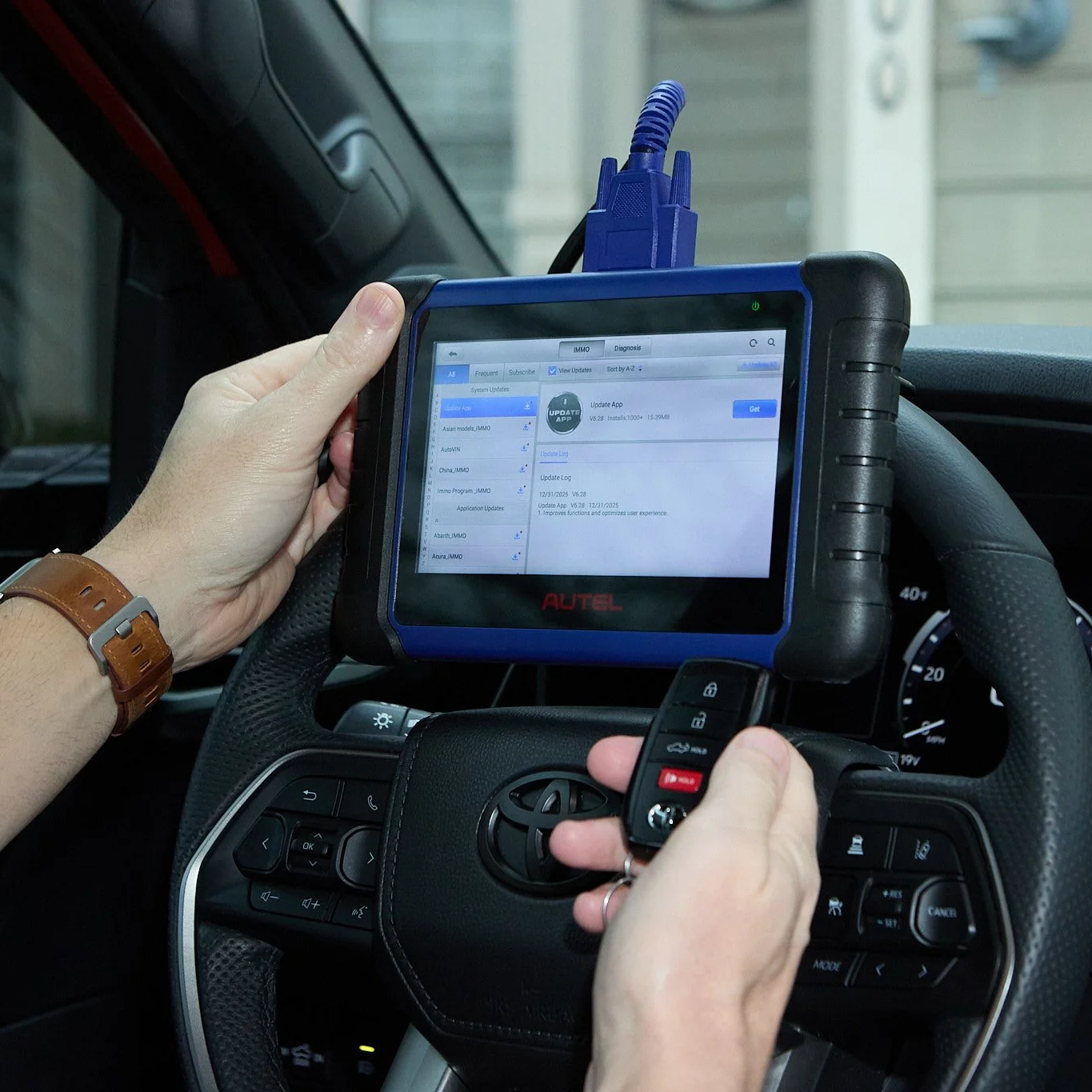
Most drivers assume they are stuck until a dealership can squeeze them in, tow the vehicle, or order parts that take days to arrive.
Why Losing Every Car Key Feels Like a Dead End
Losing one car key is frustrating. Losing every key feels overwhelming. Most drivers assume they are stuck until a dealership can squeeze them in, tow the vehicle, or order parts that take days to arrive. That assumption creates panic because mobility disappears instantly. Work, family responsibilities, and daily routines come to a halt, even though the vehicle itself is perfectly functional.
What makes this situation feel worse than it actually is is outdated expectations. Car key replacement no longer works the way it did years ago, but it also does not require the extreme delays many people fear. Realistic replacement options exist, even when no working key remains. Understanding what those options look like removes uncertainty and helps drivers act decisively rather than freeze under stress.
What Changes When No Keys Exist at All
When at least one working key remains, replacement tends to be simpler. Losing all keys removes that shortcut. Many modern vehicles require an existing key to program a new one. Without it, the vehicle's security system must be accessed more deeply to rebuild authorization from scratch.
This does not mean replacement becomes impossible. It means the process shifts from duplication to reauthorization. The vehicle must be told, securely and intentionally, which new keys it should recognize and which old ones it should ignore. This step protects against theft, but it also increases complexity. Realistic replacement options account for this complexity rather than pretending it does not exist.
Why Cutting a Key Alone Solves Nothing
One of the first misconceptions people have after losing all their keys is about key cutting. Even if a locksmith or hardware store can cut a key blade based on the vehicle's lock, that key usually does not start the car. Modern vehicles rely on electronic authorization, not just mechanical fit.
Transponder chips, immobilizers, and encrypted signals prevent unauthorized starting. A cut key without programming may open the door but leave the vehicle immobilized. Realistic replacement options always include electronic programming as part of the solution, not as an optional add-on.
Dealer Replacement: What It Actually Involves
Dealerships remain a valid replacement option, but the process often looks different from what people expect. Without any keys, most dealerships require the vehicle to be towed to their service department. Once there, they verify ownership, order the correct key or fob, and schedule programming when parts arrive and a technician becomes available.
This approach works, but it introduces delays and additional costs. Towing fees, parts ordering timelines, and service scheduling all add time. For drivers who can wait and plan around the delay, dealership replacement remains viable. For those who need faster resolution, other realistic options exist.
Professional Automotive Locksmith Replacement
Professional automotive locksmiths provide one of the most practical alternatives when all keys are lost. Modern locksmiths use advanced diagnostic and programming equipment that allows them to communicate directly with the vehicle's security system on site. This capability removes the need for towing and long scheduling delays.
In lost-all-keys scenarios, locksmiths securely access the vehicle's system, authorize new keys, and, when possible, remove old keys from memory. This restores control rather than simply adding another key into an unknown access environment. Replacement happens where the vehicle sits, whether at home, work, or roadside, which dramatically reduces disruption.
What "Rebuilding Authorization" Actually Means
When all keys are lost, the vehicle must be placed into a programming or security reset mode. This process allows the system to accept new credentials while rejecting previous ones. Different manufacturers handle this differently. Some require timed security access. Others rely on encrypted communication protocols that only authorized tools can initiate.
This step protects the vehicle from unauthorized access. It also explains why replacement takes longer than simple duplication. Realistic replacement options respect these security layers rather than attempting shortcuts that cause system lockouts or faults.
Key Fobs, Transponders, and Push-Button Starts
Modern vehicles use different types of keys, each with its own replacement considerations. Transponder keys contain chips that authenticate the starting. Key fobs communicate wirelessly to unlock and start vehicles. Push-button start systems often rely entirely on electronic presence rather than mechanical ignition.
Replacing all keys requires matching the correct key type to the vehicle's system. Using incompatible or low-quality aftermarket keys often leads to failed programming or partial functionality. A realistic replacement prioritizes compatibility over price or speed.
Can Lost Keys Be Deactivated
One advantage of modern systems involves access control cleanup. In many vehicles, lost keys can be removed from the system during replacement. This means a found key no longer starts the car. Older vehicles offered no such protection. Replacement simply added another key and hoped the old one never resurfaced.
When all keys are lost, deauthorization becomes especially valuable. It restores certainty. Drivers know exactly which keys work and which do not. This security benefit often goes unnoticed but plays a major role in modern replacement decisions.
Mobile Replacement Versus Towing
One of the biggest decisions drivers face involves whether to move the vehicle or bring service to it. Towing introduces cost, scheduling, and logistical challenges. Mobile replacement eliminates those barriers by performing programming and cutting on-site.
Realistic replacement options prioritize minimizing disruption. Mobile service allows drivers to stay where they are rather than rearranging their day around dealership logistics. This approach is especially helpful when vehicles are parked at home, in garages, or in locations where towing is challenging.
Time Expectations Without Unrealistic Promises
Replacing all car keys does take longer than duplicating a spare. However, it does not always take days. With the right tools and preparation, many replacements can be completed in a single visit. Time depends on vehicle make, model, year, and security design.
Realistic expectations involve hours rather than minutes, but not indefinite waiting. Knowing this helps drivers plan rather than panic. Replacement feels manageable once uncertainty disappears.
Why Online Key Purchases Often Complicate Things
Online retailers sell replacement keys and fobs at tempting prices. In lost-all-keys situations, these purchases often backfire. Incompatible chips, incorrect frequencies, or poor-quality components fail during programming. Some vehicles reject them entirely.
Worse, failed programming attempts can complicate future replacement by triggering security lockouts. Realistic replacement options use verified hardware matched to the vehicle rather than gambling on compatibility.
Cost Reality Without Fear Tactics
Replacing all keys costs more than replacing one, but the cost reflects security complexity rather than opportunism. Programming tools, secure access, and time invested all contribute. Comparing costs should include towing, delays, lost productivity, and stress, not just the service price.
When evaluated holistically, mobile replacement often proves more economical than dealership routes. Realistic cost assessment prevents sticker shock and frustration.
What To Do Immediately After Losing All Keys
Once you realize all keys are gone, avoid improvisation. Do not force entry. Do not attempt DIY programming steps found online. Gather vehicle information, including make, model, year, and VIN. Contact a professional who can clearly assess compatibility and options.
Prompt action reduces downtime. Waiting rarely improves the situation. Acting with accurate information accelerates resolution.
Why Modern Replacement Is About Control, Not Just Access
Older replacement focused on regaining access. Modern replacement focuses on restoring control. Knowing which keys work, which do not, and how the system behaves matters more than simply opening the door.
This shift reflects how vehicles evolved. Replacement today protects security while restoring convenience. Realistic options balance both priorities rather than sacrificing one for the other.
What Replacement Looks Like When Done Correctly
A proper lost-all-keys replacement includes identity verification, secure system access, accurate key cutting, correct programming, and functional testing. The vehicle locks, unlocks, and starts normally afterward. No warning lights. No partial functionality.
The experience ends quietly. The car behaves as it did before the loss. That outcome defines success.
FAQs
Is it possible to replace all car keys if none are left?
Yes. Modern vehicles allow replacement even when no keys remain, though the process involves rebuilding the electronic authorization system. This often requires specialized equipment and access to vehicle security protocols that go beyond standard key duplication.
Do I have to tow my car to a dealership if I've lost all the keys?
Not always. Professional automotive locksmiths can often replace keys on site without towing. Mobile services are equipped to handle both cutting and programming, which can save time and reduce the inconvenience of transporting your vehicle.
Can lost keys be disabled so they no longer work?
In many vehicles, replacement allows old keys to be removed from the system, preventing them from being used again. This adds an extra layer of security, especially if the keys were lost in an unknown or public location.
Why does replacing all keys cost more than duplicating one?
The process requires deeper security access, programming, and verification rather than simple duplication. Additional steps such as reinitializing the system and syncing new keys contribute to the higher cost compared to copying an existing key.
How long does a lost-all-keys replacement usually take?
Time varies by vehicle, but many replacements can be completed in a single visit once proper tools and keys are available. More complex systems may take longer, especially if additional programming or verification steps are required.
When it comes to professional locksmith services, Locksmiths of Kansas City offers mobile locksmith, safe & specialty locksmith, and security & access solutions for homes and businesses. Our locally-owned, trusted team ensures prompt response, high-quality workmanship, and complete satisfaction. Whether you need emergency lockout support or a full security system upgrade, we deliver dependable, honest service that meets the highest standards. Book your locksmith service today and experience peace of mind knowing your property is secure.
